
A Complete Guide to Planning Your Perfect Tanzania Adventure
One of the most common questions travelers ask is, "When is the best time to visit Tanzania?" The answer depends on what you want to experience.
Whether you're hoping to witness the Great Wildebeest Migration, spot the Big Five, climb Mount Kilimanjaro, explore Tanzania's rich culture, or relax on the white-sand beaches of Zanzibar or Mafia Island, every month offers something unique.
The good news? Tanzania is a year-round destination, with each season bringing its own unforgettable experiences.
Northern Tanzania is home to the country's most iconic safari destinations, including Serengeti National Park, Ngorongoro Conservation Area, Tarangire National Park, Lake Manyara National Park, and Arusha National Park. Here's what to expect throughout the year.
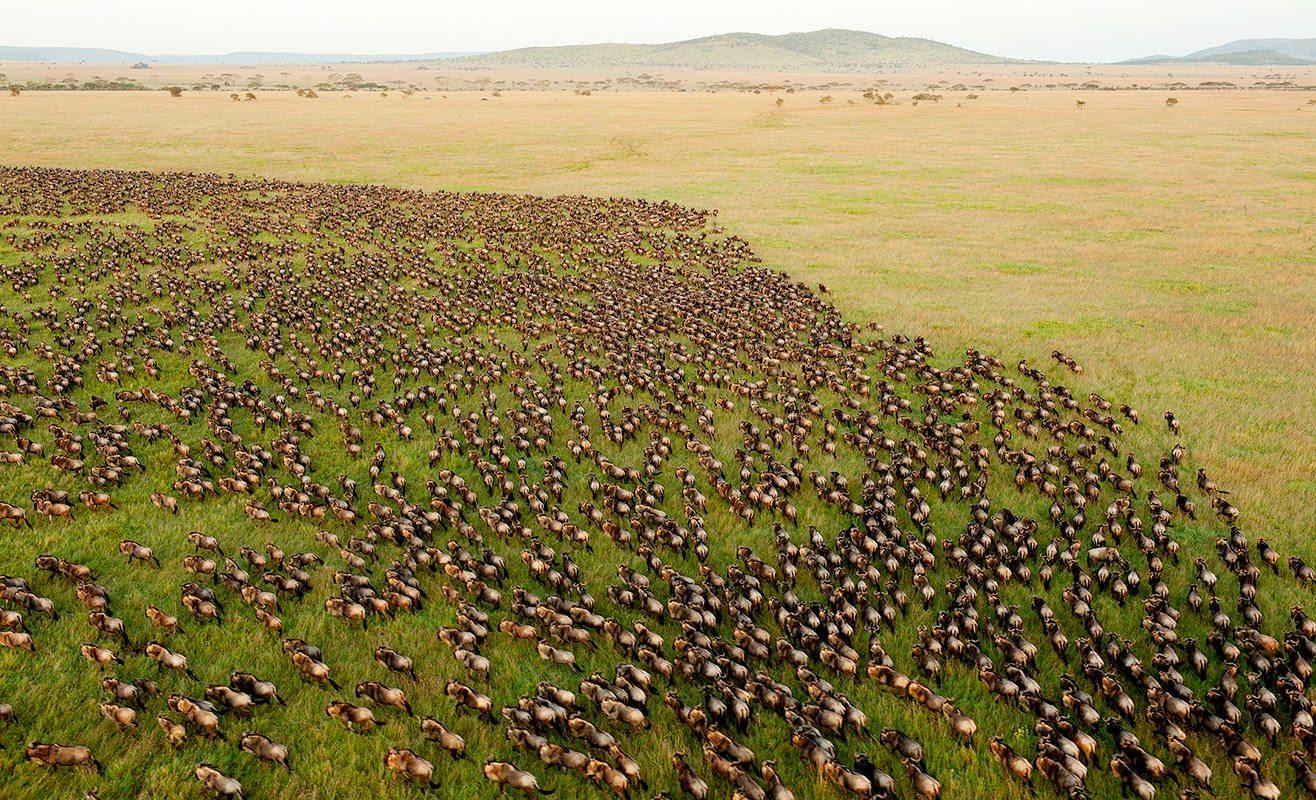
The Northern Circuit comes alive with lush green landscapes following the short rains. The Great Migration reaches its calving grounds across the Ndutu region of the Ngorongoro Conservation Area and the southern Serengeti plains, while Ngorongoro Crater offers excellent year-round Big Five viewing. Birdlife is abundant, and Tarangire and Lake Manyara remain rewarding with resident wildlife.
Where: Ndutu, Ngorongoro Crater, Tarangire, Lake Manyara.
Best for: Great Migration calving season, predators, Big Five, birdwatching, and photography.
February is one of Tanzania's finest safari months. The calving season continues in Ndutu, predator activity is at its peak, and wildlife viewing remains excellent throughout the Northern Circuit. Ngorongoro Crater consistently delivers exceptional game viewing.
Where: Ndutu, Ngorongoro Crater, Serengeti, Lake Manyara.
Best for: Newborn wildlife, predator action, Big Five, and photography.
The green season continues with beautiful scenery and fewer visitors. Wildlife is widespread across Serengeti, Tarangire, and Lake Manyara, while migratory birds are still present.
Where: Serengeti, Ngorongoro, Tarangire, Lake Manyara.
Best for: Scenic safaris, resident wildlife, birdwatching, and photography.
April brings the long rains, transforming the parks into lush wilderness. Although wildlife is more dispersed, Ngorongoro Crater continues to provide excellent game viewing thanks to its resident wildlife population.
Where: Ngorongoro Crater, Arusha National Park, Lake Manyara.
Best for: Green landscapes, birdwatching, fewer crowds, and peaceful safaris.
As the rains continue, the parks remain quiet and vibrant. Tarangire's landscapes flourish, while the Serengeti migration gradually moves northwest. It's an excellent month for travelers seeking value and tranquility.
Where: Central Serengeti, Ngorongoro Crater, Tarangire, Lake Manyara.
Best for: Budget-friendly safaris, elephants, birdlife, and scenic photography.
The dry season begins, and wildlife becomes easier to spot as animals gather around rivers and waterholes. Tarangire starts attracting large elephant herds, while Ngorongoro Crater offers outstanding Big Five sightings.
Where: Serengeti, Ngorongoro Crater, Tarangire.
Best for: Big Five, elephants, first-time safaris, and classic wildlife viewing.
Wildlife viewing reaches its peak across Northern Tanzania. Tarangire hosts massive elephant herds, Ngorongoro Crater is at its best, and the Great Migration reaches northern Serengeti.
Where: Northern Serengeti, Ngorongoro Crater, Tarangire.
Best for: Great Migration, elephants, predators, and balloon safaris.
Dry conditions continue, concentrating wildlife around water sources. The Mara River crossings become the highlight in northern Serengeti, while Tarangire offers some of Africa's best elephant viewing.
Where: Northern Serengeti, Tarangire, Ngorongoro Crater.
Best for: River crossings, elephants, Big Five, and photography.
September offers superb wildlife viewing throughout the Northern Circuit. Dry conditions continue, making it one of the best months for spotting predators and large mammals.
Where: Serengeti, Ngorongoro Crater, Tarangire.
Best for: Big Five, elephants, predators, and family safaris.
October remains excellent for wildlife before the short rains begin. Large concentrations of animals can still be found throughout Tarangire, Serengeti, and Ngorongoro.
Where: Serengeti, Ngorongoro Crater, Tarangire.
Best for: Elephant herds, predators, Big Five, and photography.
The short rains return, refreshing the landscapes. Migratory birds arrive, wildlife disperses, and the Great Migration begins moving south through the Serengeti.
Where: Serengeti, Tarangire, Lake Manyara, Ngorongoro.
Best for: Birdwatching, green scenery, and quieter wildlife experiences.
Fresh grazing attracts the Great Migration back to the Ndutu in Ngorongoro Conservation Area and the southern Serengeti plains. Across the Northern Circuit, wildlife viewing remains excellent, and the festive season offers ideal safari conditions.
Where: Ndutu, Southern Serengeti, Ngorongoro Crater, Tarangire.
Best for: Great Migration, festive safaris, Big Five, and wildlife photography.
The truth is, there's no bad time to visit Northern Tanzania. Every season offers something unique, making it a year-round wildlife destination. From December to March, witness the Great Migration calving season across the Ndutu region and southern Serengeti. Between April and June, enjoy lush landscapes as the migration moves through the Serengeti. From July to October, experience classic dry-season safaris, exceptional Big Five sightings, and the dramatic Mara River crossings. During November, the green season returns, bringing vibrant scenery, excellent birdwatching, and fewer visitors.
Whether you're chasing the Great Migration, searching for the Big Five, photographing elephants beneath Tarangire's ancient baobabs, exploring the wildlife-rich Ngorongoro Crater, or enjoying the beauty of Tanzania's diverse landscapes, every month offers a reason to visit.
Ready to plan your Tanzania safari? Explore destinations, compare authentic safari experiences, and connect with trusted local tour operators and guides at https://safaripediaafrica.com. Your unforgettable Tanzania adventure starts with SafariPedia.

More stories and guides from SafariPedia.
September 15, 2026
August 30, 2026
August 27, 2026
August 16, 2026

Connect travelers with verified local safari experts and real experiences—making safari planning transparent, inspiring, and rooted in authentic African knowledge.
We bridge travelers with operators and guides who understand the land, wildlife, and culture firsthand, highlighting real stories from the field and centering local voices at the heart of every journey.
Resources
Get travel inspiration, safari tips, exclusive offers, and destination stories delivered to your inbox.
Tanzania Safaris • Serengeti • Ngorongoro Crater • Zanzibar • Kilimanjaro • Safari Tours • Lodges & Hotels • Tour Guides • Travel Stories