Few places capture the spirit of an African safari quite like Serengeti National Park. Vast golden plains stretch toward the horizon, lions patrol the grasslands, cheetahs scan for prey, and enormous herds of wildebeest and zebra move through the landscape.
Located in northern Tanzania, the Serengeti is one of Africa's most celebrated wildlife destinations and the heart of the legendary Great Wildebeest Migration. But the Serengeti is much more than the migration. Its extraordinary resident wildlife, diverse landscapes, and year-round safari experiences make it a destination worth visiting in every season.
Whether you're planning your first safari or returning to Tanzania for another adventure, here's what you need to know about exploring the Serengeti.
The Serengeti offers one of the most complete wildlife experiences in Africa. Its vast ecosystem supports an extraordinary variety of animals, including lions, elephants, buffalo, giraffes, zebras, wildebeest, hippos, crocodiles, cheetahs, hyenas, and leopards.
What makes the Serengeti particularly special is its sense of scale. Rather than simply driving from one wildlife sighting to another, you're immersed in an enormous living ecosystem where predator and prey interactions unfold naturally across the plains.
For wildlife lovers, photographers, honeymooners, families, and first-time safari travelers, the Serengeti is one of Tanzania's essential destinations.
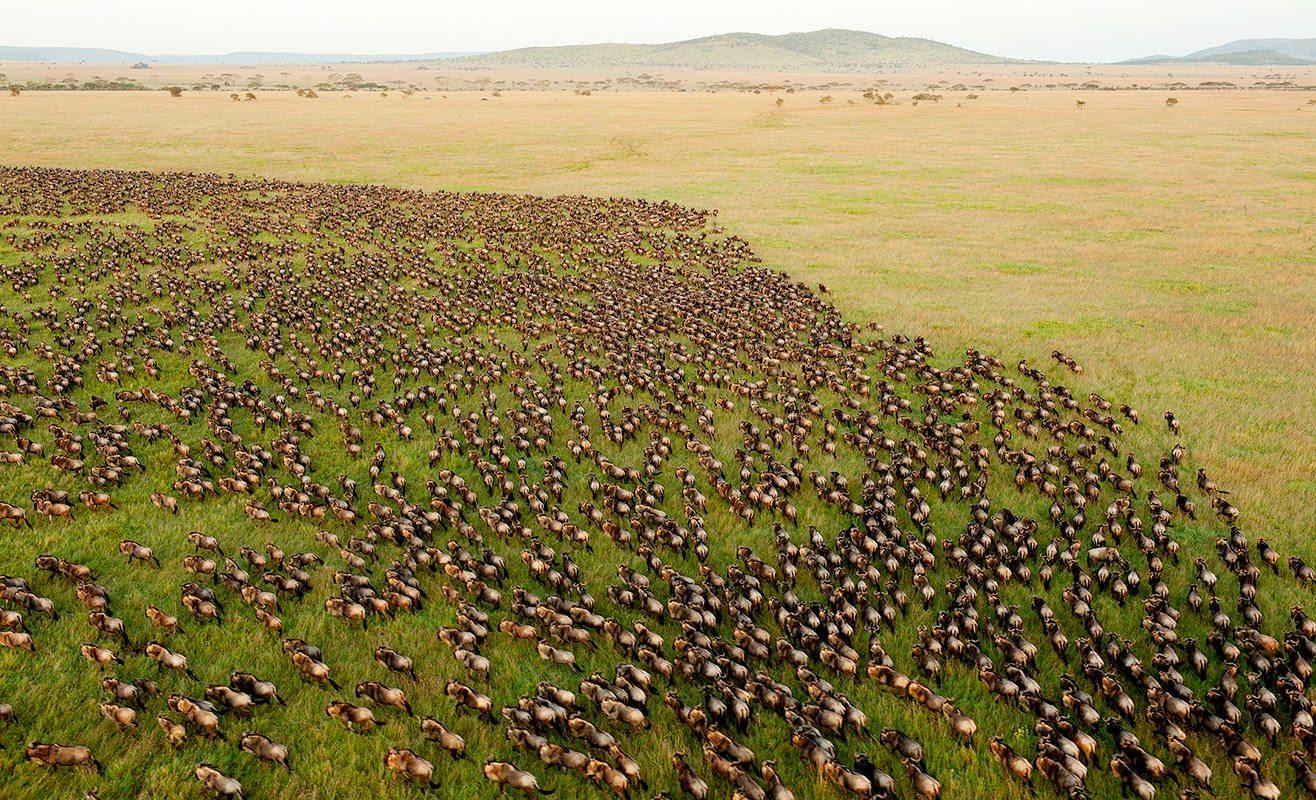
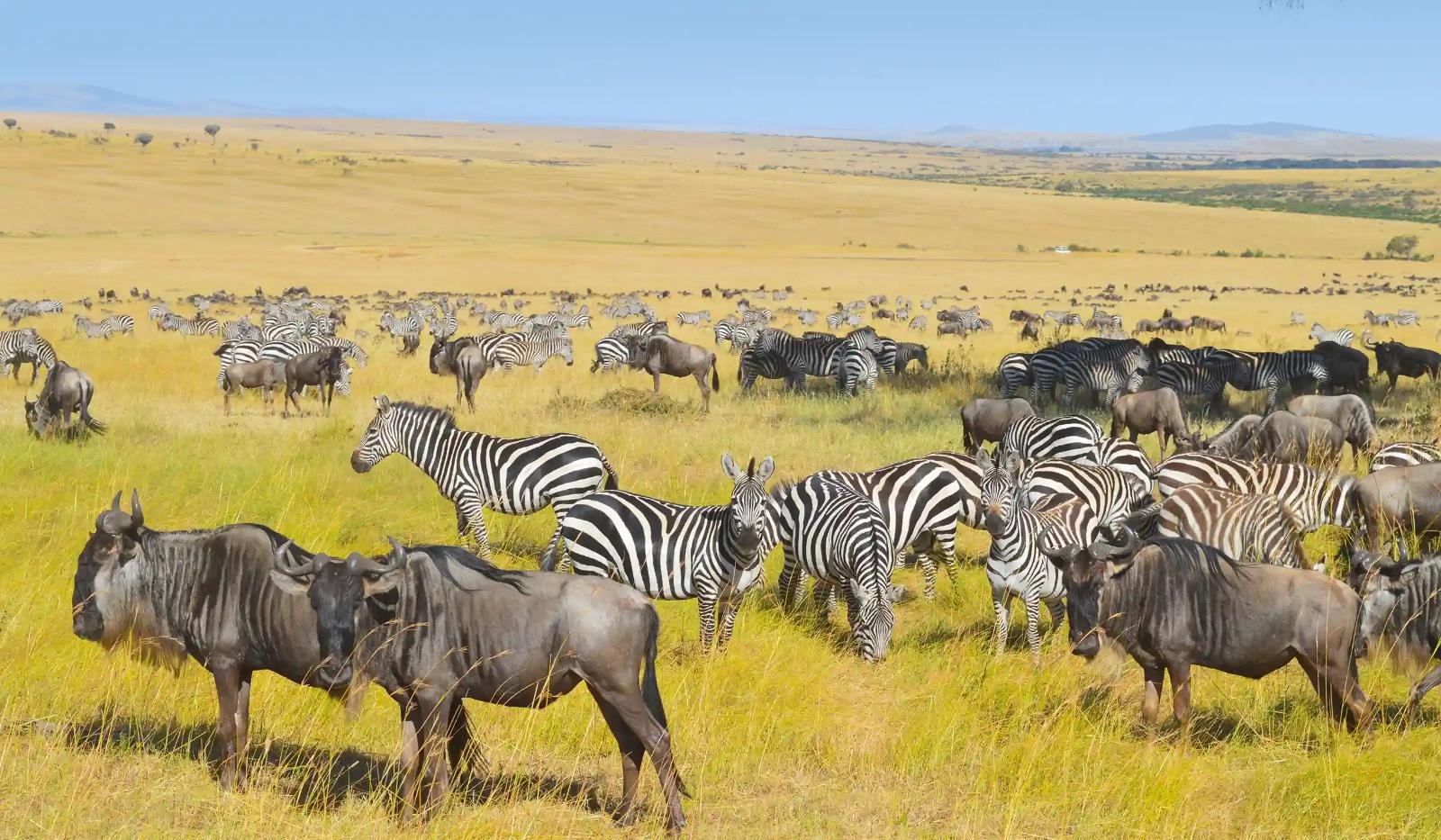
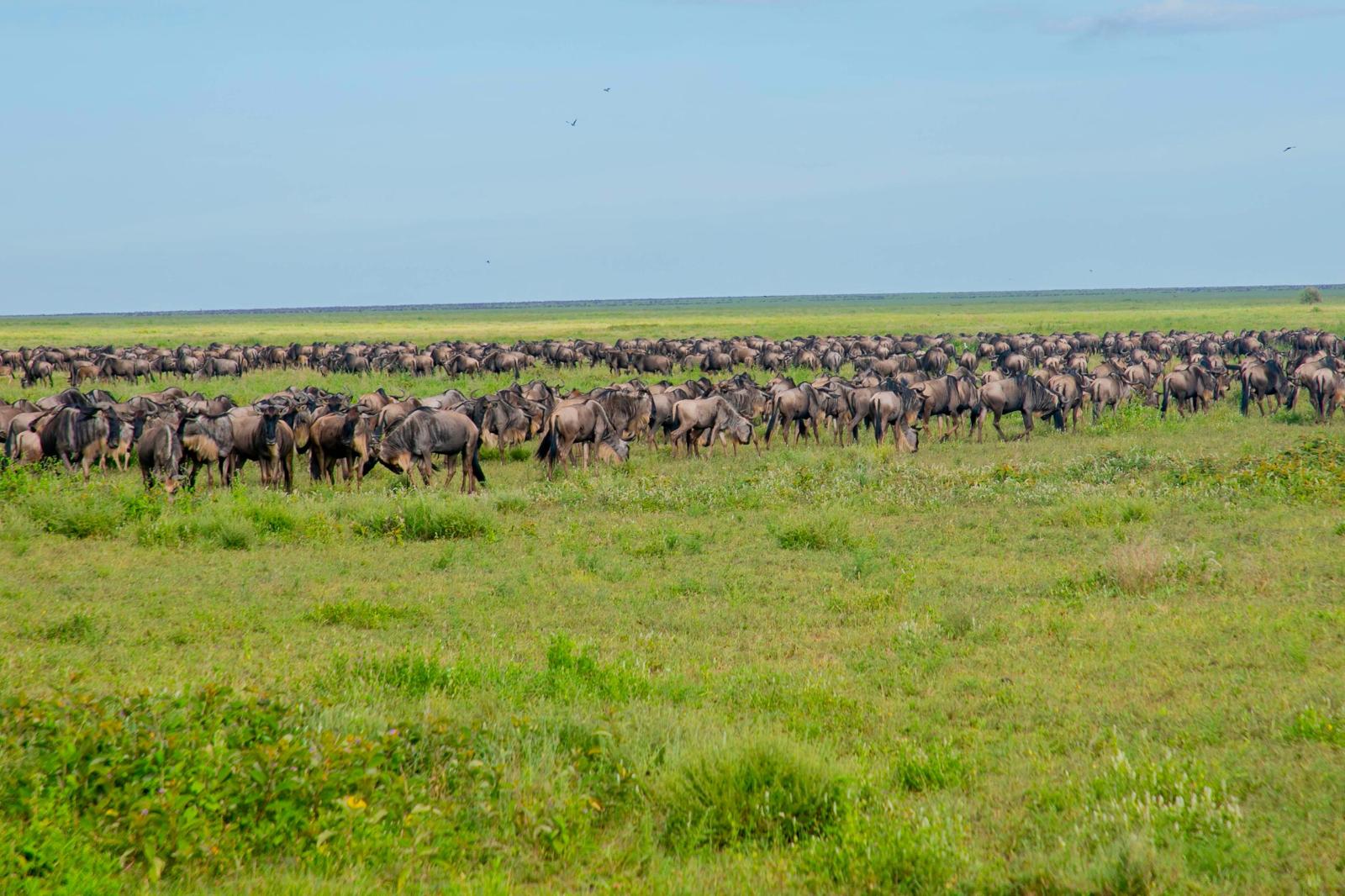
The Serengeti is internationally famous for the Great Wildebeest Migration, one of the world's greatest wildlife spectacles. Vast herds of wildebeest, accompanied by zebras and other grazers, move through the Serengeti ecosystem following seasonal rains and fresh grazing.
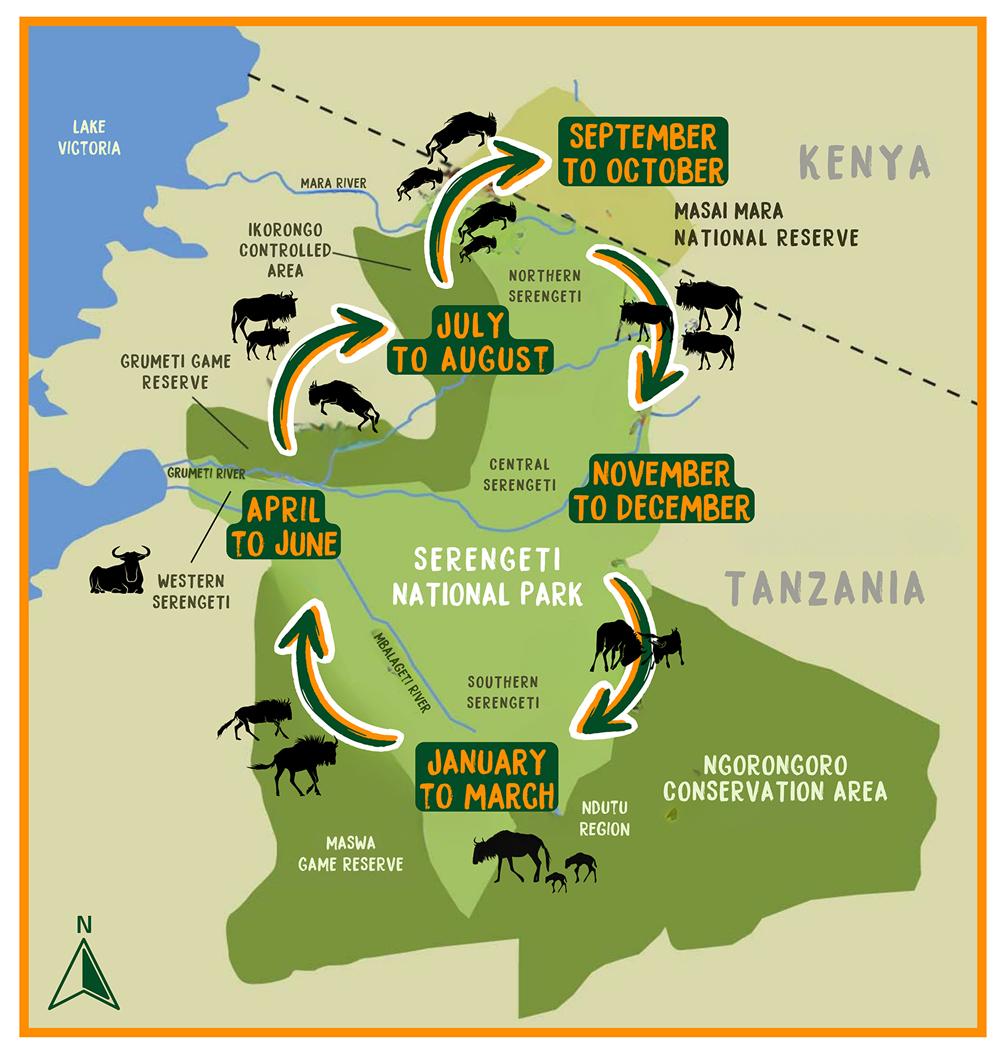
The migration changes location throughout the year. During the calving season, generally from December through March and into April depending on rainfall, the herds concentrate across the Ndutu region of the Ngorongoro Conservation Area and the southern Serengeti plains.
As the rains progress, the herds gradually move through the central and western Serengeti before heading north. Between roughly July and October, northern Serengeti becomes particularly famous for dramatic crossings of the Mara River.
By November, the short rains encourage the herds to begin moving south again, continuing the endless cycle.
The exact timing and location can vary because the migration follows rainfall and grazing conditions rather than a fixed calendar.
You don't need to visit during the migration to experience an incredible Serengeti safari.
The park supports abundant resident wildlife throughout the year and is particularly renowned for its predators. Lions are frequently encountered across the plains, while cheetahs favor open areas where they can use their extraordinary speed to hunt.
Leopards are more elusive and are often spotted resting in trees or around riverine woodland. Spotted hyenas, jackals, servals, and other predators add even more variety to game drives.
Large herbivores are equally impressive. Elephants, buffalo, giraffes, zebras, gazelles, hippos, and many other species can be encountered throughout different parts of the park.
For bird lovers, the Serengeti is also an outstanding birdwatching destination, with hundreds of species recorded across its grasslands, wetlands, woodlands, and river systems.
The Serengeti is enormous, and each region offers a different safari experience.
The Seronera Valley is one of the most wildlife-rich areas of the Serengeti and offers excellent game viewing throughout the year. Permanent water sources support abundant resident animals, making this an especially reliable area for lions, leopards, elephants, and other wildlife.
Best for: First-time visitors, big cats, year-round game viewing, and photography.
The open plains of southern Serengeti form part of the wider short-grass ecosystem associated with the Great Migration's calving season. During the green season, enormous herds spread across these fertile plains and neighboring Ndutu in Ngorongoro.
Best for: Great Migration, calving season, cheetahs, predators, and expansive landscapes.
The western corridor is characterized by woodlands, rivers, and open plains. The migration typically passes through this region as the herds journey north, and the area offers excellent wildlife viewing beyond the migration itself.
Best for: Migration movements, river landscapes, predators, and quieter safari experiences.
Northern Serengeti offers beautiful rolling landscapes, rocky kopjes, woodland, and the Mara River. During the dry season, it becomes one of the most sought-after areas for travelers hoping to witness migration river crossings.
Best for: Mara River crossings, wilderness, photography, and longer safari stays.
There is no single best time to visit the Serengeti because the park offers rewarding wildlife experiences throughout the year.
January to March brings green landscapes and the migration's calving season across southern Serengeti and neighboring Ndutu. Predator activity can be particularly exciting during this period.
April and May are generally wetter, transforming the landscape into vibrant shades of green. Visitor numbers are lower, creating quieter game drives and excellent photographic conditions.
June to October brings drier conditions and outstanding general wildlife viewing. The migration progresses toward northern Serengeti, with the Mara River crossings becoming a major attraction later in the season.
November and December bring the short rains, refreshing the plains as the migration begins moving south again.
Whatever month you choose, the Serengeti has something remarkable to offer.
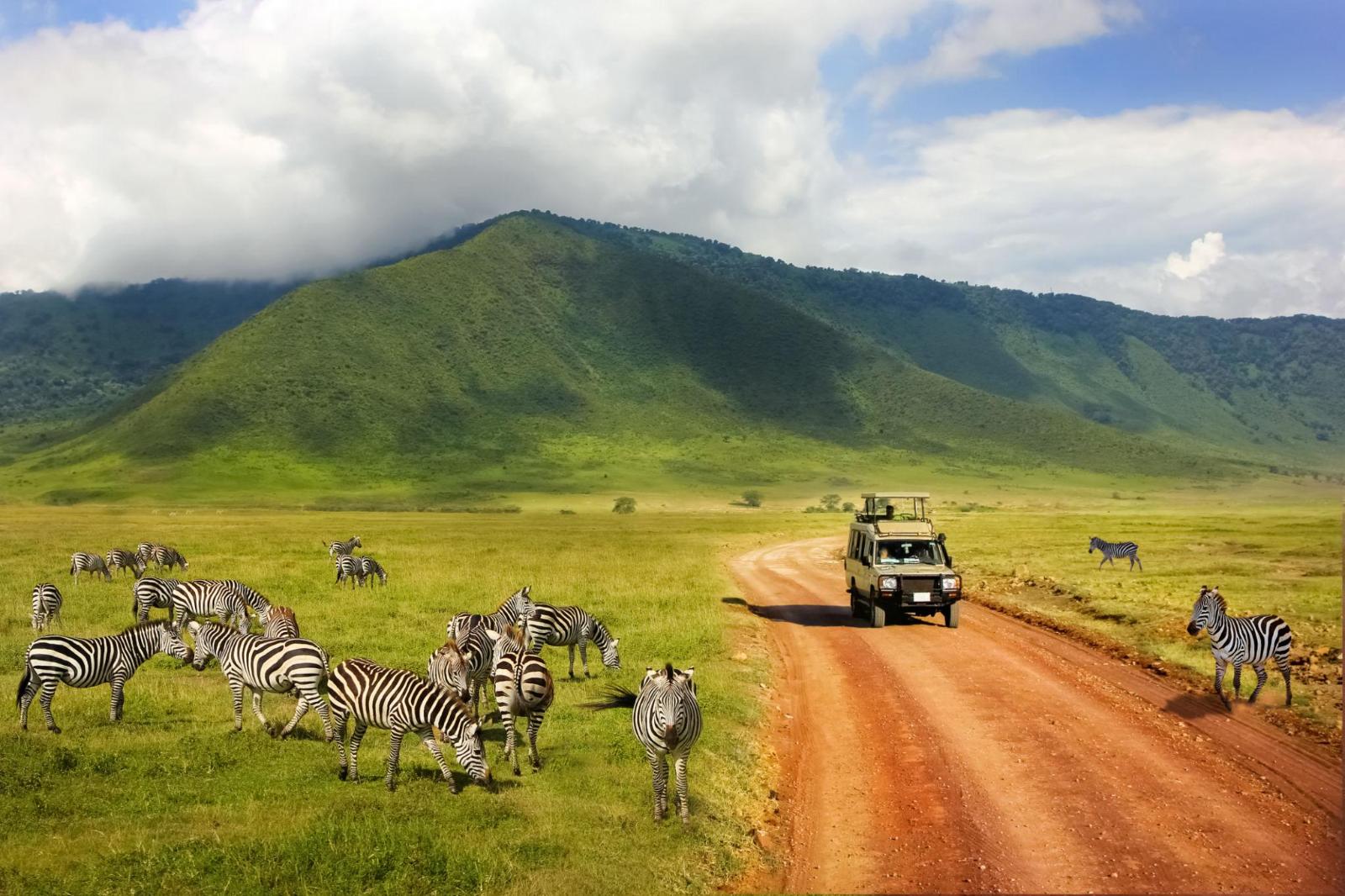
A classic game drive remains the best way to explore the Serengeti. Early mornings and late afternoons are particularly rewarding, when temperatures are cooler and many animals are most active.
For a completely different perspective, take a hot-air balloon safari at sunrise. Floating silently above the plains as wildlife moves below is one of the Serengeti's signature experiences.
Photography enthusiasts can arrange specialized safari vehicles and itineraries that allow more time at sightings, while travelers seeking deeper immersion can spend several nights exploring different regions of the park.
The real secret is not to rush. Serengeti rewards travelers who give themselves enough time to observe animal behavior and appreciate the landscape rather than simply checking species off a list.
For first-time visitors, three to four days provides a good introduction to the Serengeti. This allows time for multiple game drives and increases your chances of seeing a wide variety of wildlife.
If you're specifically following the Great Migration or want to explore more than one region, consider four to six days or longer.
Serengeti also combines naturally with Ngorongoro Conservation Area, Tarangire National Park, and Lake Manyara National Park to create a complete Northern Tanzania safari.
Serengeti offers accommodation for different travel styles, from comfortable tented camps to exclusive luxury lodges.
Permanent lodges and camps are excellent for travelers wanting to explore wildlife-rich areas throughout the year, while seasonal migration camps move or operate strategically to provide better access to the migrating herds.
Your choice of accommodation should therefore depend not only on your budget but also on when you're traveling and which part of the Serengeti you want to explore.
Pack lightweight neutral-colored clothing, comfortable shoes, sunscreen, sunglasses, a hat, binoculars, and a camera. Early mornings can be chilly, so carry a light jacket or fleece.
Most importantly, listen to your safari guide. Local guides understand animal behavior, seasonal movements, and the landscapes of the Serengeti, and their knowledge can transform a good game drive into an unforgettable experience.
Wildlife sightings are never guaranteed, so allow nature to set the pace. Sometimes the most memorable safari moments happen when you aren't searching for anything at all.
The Serengeti is best known for its extraordinary wildlife, large predator populations, endless plains, and the Great Wildebeest Migration.
There isn't one best month. January to March is excellent for the calving season, June to October offers outstanding dry-season wildlife viewing, and November to December brings greener landscapes and the migration's journey south.
Yes. The Serengeti is home to lion, leopard, elephant, buffalo, and black rhino, although some species—particularly rhinos—are much more difficult to encounter than others.
Three to four days is a good starting point for first-time visitors, while four to six days or longer allows you to explore different regions and enjoy a more relaxed safari.
Absolutely. Serengeti and Ngorongoro are among the best destinations to combine on a Northern Tanzania safari, offering complementary wildlife, landscapes, culture, and heritage experiences.
The Serengeti isn't simply somewhere to see wildlife. It's a place to experience nature on an extraordinary scale—from the sound of lions calling across the plains to thousands of wildebeest moving toward the horizon.
Come for the Great Migration, stay for the big cats, endless landscapes, spectacular sunsets, and countless moments that make every safari different.
Ready to explore the Serengeti?
Discover Serengeti, explore safari packages and experiences, and connect with trusted local tour operators and guides on SafariPedia.
Discover. Connect. Experience.
Your Serengeti adventure starts with SafariPedia.
More stories and guides from SafariPedia.
September 15, 2026
August 30, 2026
August 27, 2026
August 12, 2026

Connect travelers with verified local safari experts and real experiences—making safari planning transparent, inspiring, and rooted in authentic African knowledge.
We bridge travelers with operators and guides who understand the land, wildlife, and culture firsthand, highlighting real stories from the field and centering local voices at the heart of every journey.
Resources
Get travel inspiration, safari tips, exclusive offers, and destination stories delivered to your inbox.
Tanzania Safaris • Serengeti • Ngorongoro Crater • Zanzibar • Kilimanjaro • Safari Tours • Lodges & Hotels • Tour Guides • Travel Stories