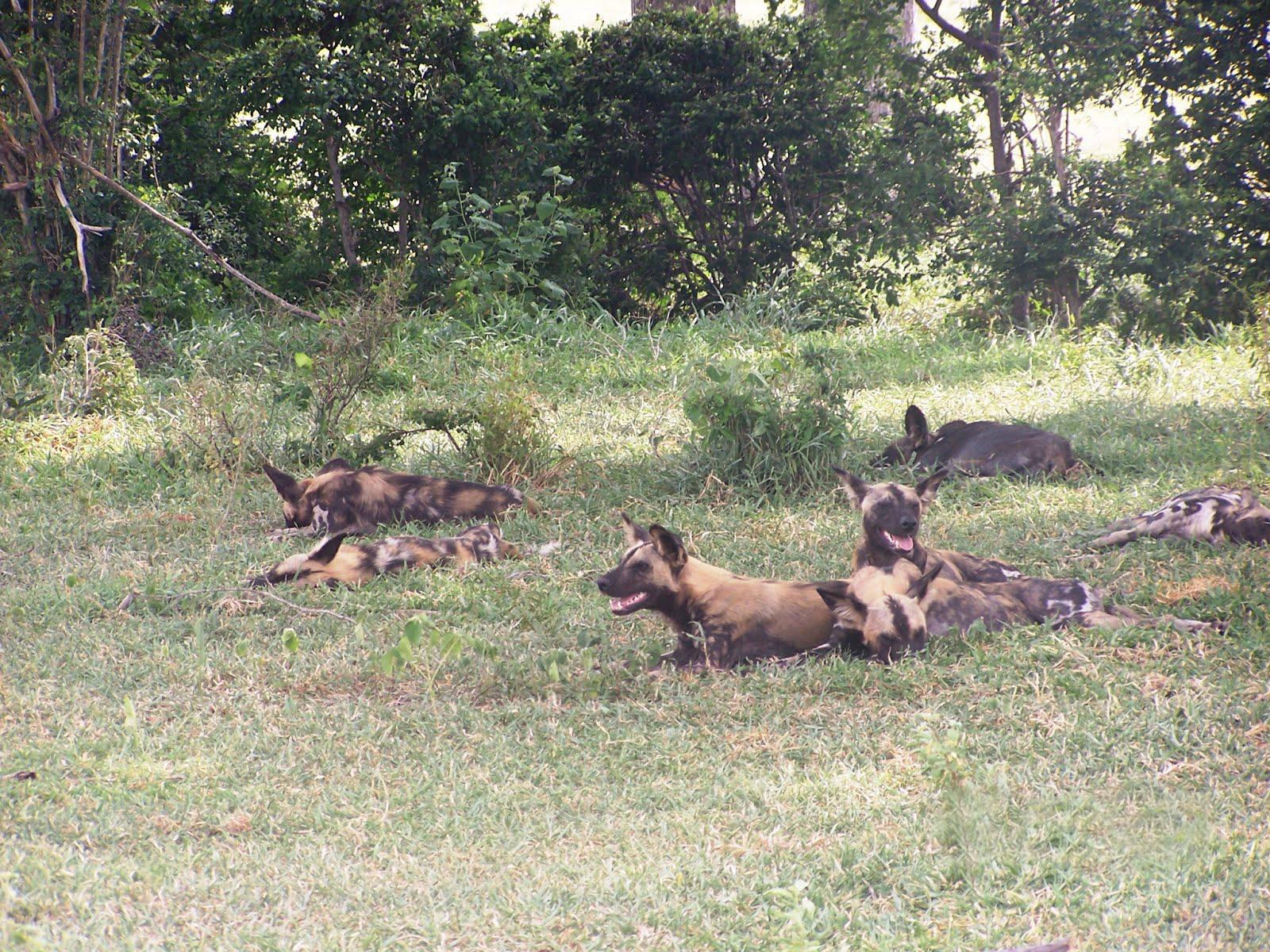
Wild, vast, and wonderfully uncrowded, Nyerere National Park offers a different side of the Tanzania safari experience. Here, mighty rivers wind through untouched wilderness, elephants wander across open landscapes, hippos gather in waterways, and African wild dogs roam one of their important strongholds.
Located in southern Tanzania, Nyerere is an ideal destination for travelers looking beyond the classic Northern Circuit. Its combination of traditional game drives, boat safaris, walking experiences, and remarkable wildlife makes it one of Tanzania’s most exciting safari destinations.
If you’re searching for wildlife, wilderness, and fewer crowds, Nyerere deserves a place on your Tanzania itinerary.
The first thing you notice about Nyerere is its sense of space. This is a destination where the wilderness feels genuinely vast and where safari vehicles are often far fewer than in Tanzania’s more famous parks.
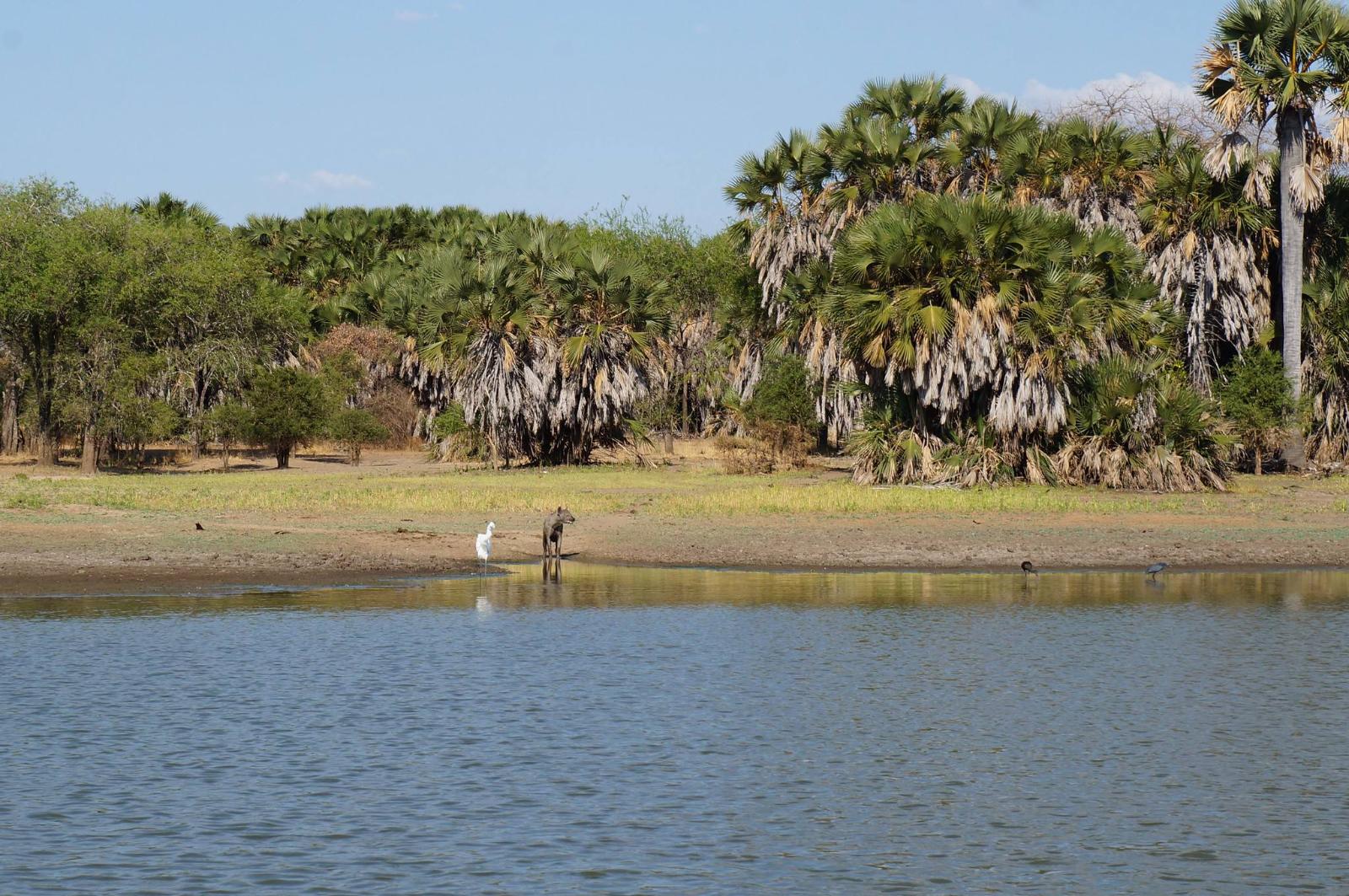
Its landscapes are wonderfully varied, with open grasslands, woodlands, wetlands, lakes, and the magnificent Rufiji River creating habitats for an impressive diversity of wildlife.
For travelers who want a slower, more intimate connection with nature, Nyerere offers something special.
One of Nyerere’s defining features is the Rufiji River, Tanzania’s largest river. Flowing through the wilderness, it creates channels, lakes, sandbanks, and wetlands that support an extraordinary variety of wildlife.
The river also gives visitors an experience that distinguishes Nyerere from many other Tanzanian safari destinations: the boat safari.
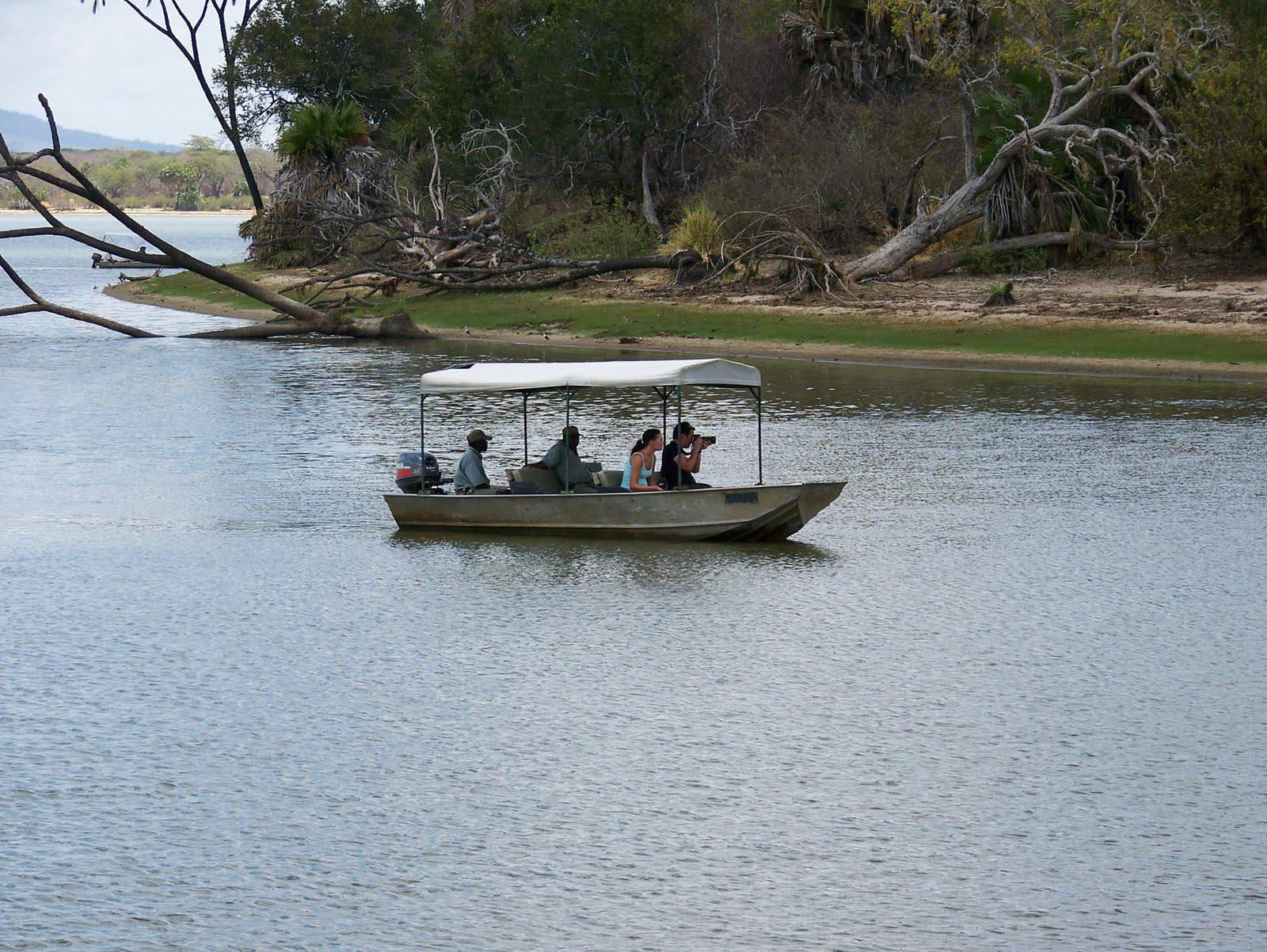
Instead of watching wildlife only from a safari vehicle, you can cruise quietly along the water, observing hippos, crocodiles, elephants, and numerous bird species from an entirely different perspective.
Sunset over the Rufiji River, with hippos calling from the water and wildlife gathering along the banks, can easily become one of the most memorable moments of a Tanzania safari.
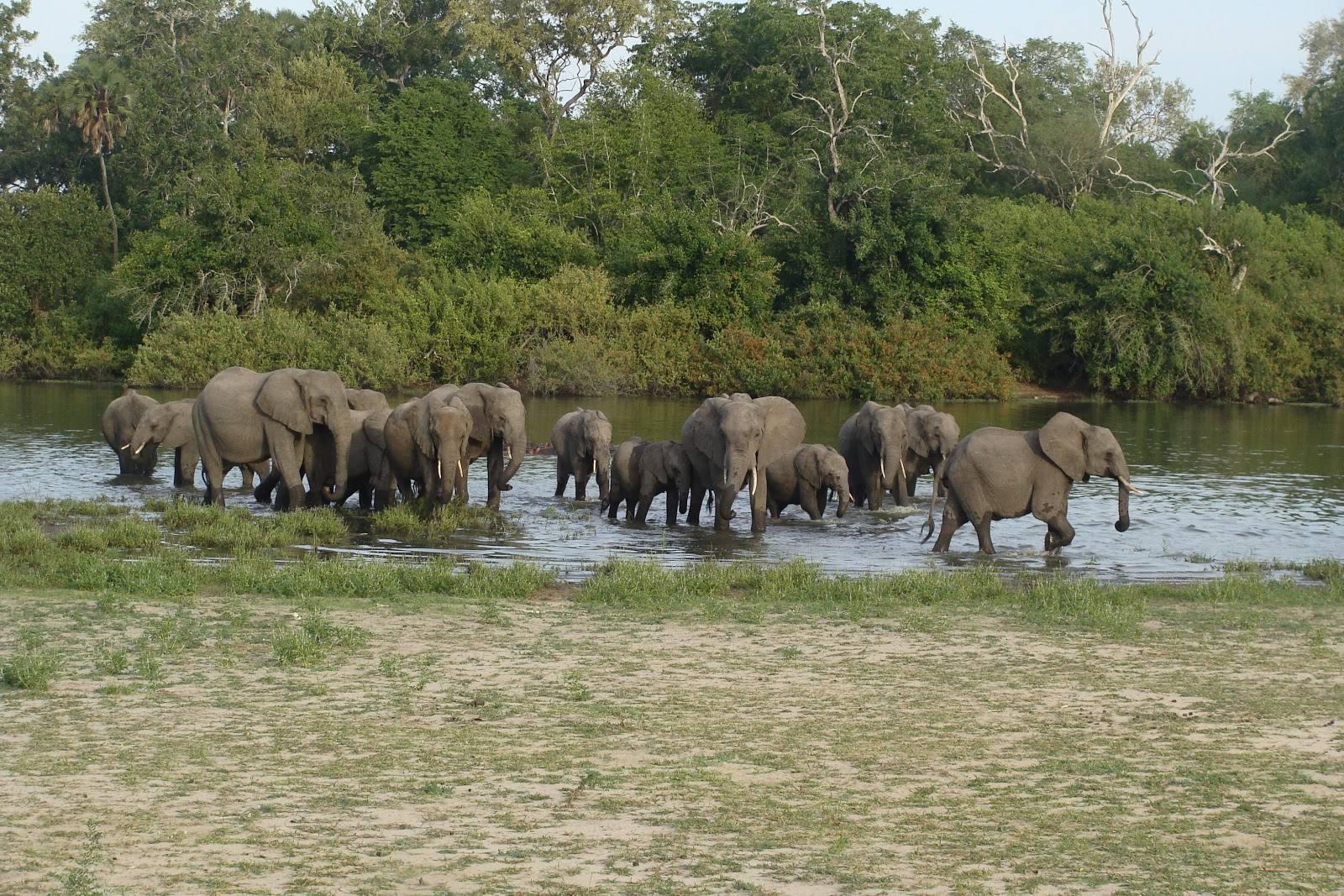
Nyerere supports an impressive diversity of wildlife. Visitors can encounter elephants, lions, buffalo, giraffes, zebras, wildebeest, hippos, crocodiles, antelopes, hyenas, and many other species.
One of the park’s greatest attractions is the opportunity to search for the African wild dog, one of Africa’s most fascinating and endangered predators. Sightings can never be guaranteed, but southern Tanzania is particularly important for the species.
Predator enthusiasts can also look for lions, leopards, and spotted hyenas, while the rivers and lakes provide excellent opportunities for observing hippos and crocodiles. Nyerere is equally rewarding for birdwatchers, with its mixture of aquatic habitats, woodland, and savannah supporting rich birdlife.
What makes a safari in Nyerere particularly exciting is the variety of ways you can experience the wilderness.
Traditional game drives allow you to explore the park’s plains, woodlands, lakes, and river systems while searching for elephants, predators, giraffes, buffalo, and other wildlife.
Because of the park’s enormous scale and lower visitor numbers, game drives can feel remarkably private.
A boat safari along the Rufiji River is one of Nyerere’s signature experiences. From the water, you can watch hippos surface nearby, crocodiles rest along the banks, elephants come down to drink, and colorful birds move through the wetlands.
It provides a refreshing contrast to traditional vehicle-based safaris.
For travelers wanting to experience the African bush more closely, guided walking safaris offer another perspective.
Rather than concentrating only on large animals, walking allows you to notice tracks, plants, insects, birds, and the smaller details of the ecosystem that are easily missed from a vehicle.
Nyerere offers different experiences throughout the year, but the dry season from roughly June to October is generally considered one of the best periods for wildlife viewing.
As water becomes more limited, animals increasingly gather around the Rufiji River, lakes, and other permanent water sources. Vegetation also becomes thinner, making wildlife easier to spot.
The greener months bring a completely different atmosphere. Landscapes become lush, birdlife flourishes, and visitor numbers can be lower. Rainfall can, however, affect road conditions and accessibility in some areas.
Your ideal travel period therefore depends on whether your priority is classic dry-season wildlife viewing, photography, birdwatching, or a quieter green-season experience.
Nyerere is particularly well suited to travelers who want something different from the traditional safari circuit.
It’s an excellent choice for repeat safari visitors, photographers, couples, honeymooners, birdwatchers, and travelers who value wilderness and privacy. It can also be a fascinating first safari for visitors who want to combine several types of wildlife experiences rather than relying only on game drives.
If seeing the Great Migration is your priority, Serengeti is the natural choice. But if you dream of cruising past hippos on the Rufiji River, searching for African wild dogs, and exploring a quieter wilderness, Nyerere may be exactly what you’re looking for.
A stay of around three to four days gives visitors enough time to combine game drives with a boat safari and other available activities without rushing.
Travelers with more time can stay longer and experience the park at a slower pace, particularly if wildlife photography or walking experiences are important parts of the trip.
Nyerere can also be combined with other southern Tanzania destinations such as Ruaha National Park for a deeper exploration of the Southern Circuit.
One of the great advantages of Nyerere is how naturally it can fit into a safari-and-beach itinerary.
Travelers can experience the wilderness of southern Tanzania before continuing to the Indian Ocean for time in Zanzibar. This creates a beautiful contrast: mornings searching for lions and elephants followed by days relaxing beside turquoise waters.
For travelers who want wildlife and the coast within one Tanzania holiday, Nyerere can be an excellent choice.
What is Nyerere National Park famous for? Nyerere is known for its vast wilderness, the Rufiji River, diverse wildlife, boat safaris, and opportunities to encounter African wild dogs.
What animals can I see in Nyerere National Park? Visitors may encounter elephants, lions, buffalo, giraffes, zebras, hippos, crocodiles, wild dogs, hyenas, antelopes, and many other species.
What is the best time to visit Nyerere National Park? The dry season, particularly June to October, is excellent for general wildlife viewing as animals become increasingly concentrated around permanent water sources.
Can you take a boat safari in Nyerere? Yes. Boat safaris on the Rufiji River and connected waterways are among the destination’s signature experiences and provide a completely different way to observe wildlife.
How many days should I spend in Nyerere? Around three to four days is a good starting point, giving you time to enjoy game drives, a boat safari, and other available experiences.
Nyerere National Park reminds us that some of the best safari experiences happen away from the busiest routes.
Here, the journey is about more than ticking animals off a list. It’s about watching elephants approach the river, listening to hippos as the sun sets over the Rufiji, following tracks through the bush, and experiencing the freedom of an immense African wilderness.
Whether you’re planning your first Tanzania safari or looking for somewhere new to explore, Nyerere National Park offers a wild and unforgettable side of Tanzania.
Ready to discover Nyerere National Park?
Explore Nyerere, discover safari packages and experiences, and connect with trusted local tour operators and guides on SafariPedia.
Discover. Connect. Experience.
Your Tanzania adventure starts with SafariPedia.
More stories and guides from SafariPedia.
September 15, 2026
August 30, 2026
August 16, 2026
August 12, 2026

Connect travelers with verified local safari experts and real experiences—making safari planning transparent, inspiring, and rooted in authentic African knowledge.
We bridge travelers with operators and guides who understand the land, wildlife, and culture firsthand, highlighting real stories from the field and centering local voices at the heart of every journey.
Resources
Get travel inspiration, safari tips, exclusive offers, and destination stories delivered to your inbox.
Tanzania Safaris • Serengeti • Ngorongoro Crater • Zanzibar • Kilimanjaro • Safari Tours • Lodges & Hotels • Tour Guides • Travel Stories